
When hiring an electrician in New Orleans, you must verify their license with the Louisiana State Licensing Board, check their insurance coverage, confirm they pull permits, and request detailed written estimates before work begins. A licensed, insured electrician protects your home, ensures code compliance, and secures your insurance claims if problems arise.

Verify License and Insurance
Always ask to see proof of a current Louisiana electrical license. The state maintains a database where you can confirm a contractor’s license status independently. Beyond licensing, confirm they carry liability insurance and workers’ compensation coverage. Request certificates of insurance directly from their carrier, not just copies provided by the contractor. Insurance protects you if someone gets injured on your property or if damaged work requires correction. An ELECTRICIAN operating without proper insurance is gambling with your legal exposure.
Understand Why Licensing Matters
Licensed electricians must maintain their credentials through continuing education and pass state exams that verify knowledge of electrical codes and safety standards. When you hire a licensed professional, your work meets current electrical codes, which matters for home insurance claims, property sales, and home inspections. Unlicensed work can void insurance coverage and create liability if something goes wrong. Local building departments in New Orleans and surrounding parishes require licensed electricians for permit applications, which is your protection against cut corners and unsafe installations. Licensing isn’t bureaucratic overhead; it’s your guarantee that someone trained and accountable did the work.
Get Everything in Writing
Before work starts, get a detailed written estimate that clearly lists the scope of work, materials, labor costs, timeline, and any warranty on labor. A professional estimate shows the contractor has thought through the job and can explain pricing. Walk through the estimate together to make sure you both understand what’s included. Is removal of old wiring included? What about patching drywall after running new circuits? Are permit fees separate? Are inspections included in the price? Once you agree on terms, ask for a contract that covers these details plus the contractor’s cancellation policy and cleanup expectations. This prevents surprises and disagreements later.
Watch for Red Flags
Door-to-door solicitation from electricians offering discounts is a red flag. Reputable contractors build their business through referrals and their reputation, not by knocking on doors. Cash-only pricing is another warning sign. Legitimate businesses accept checks and credit cards, and their pricing is the same regardless of payment method. Electricians who refuse to pull permits or say they can do the work cheaper if you skip permits are cutting corners in ways that endanger your home and void insurance coverage. A contractor who cannot provide verifiable references or whose license status cannot be confirmed online is also someone to avoid.
Ask These Questions Before Hiring
Start by asking how long they’ve been in business and for at least three references you can contact. Ask if they pull permits for the type of work you need and how permits affect the timeline and cost. Inquire whether they carry insurance and ask to verify it. Ask what warranty they provide on their labor and how long it lasts. Find out who will be doing the work: will it be the owner, or will another electrician do the job? Understanding the team matters because you want consistency and accountability. Ask what their payment schedule is: do you pay everything upfront, or is it partial payment until inspection? A clear process signals a professional operation.
Local Knowledge of New Orleans Housing Stock
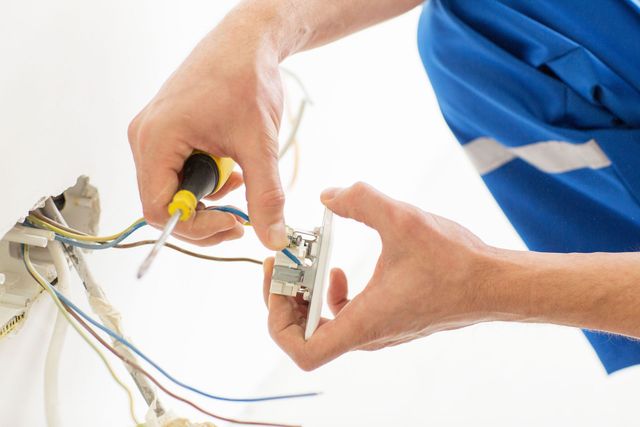 New Orleans has unique electrical challenges that a contractor familiar with the area understands. Many homes here have older wiring systems like knob and tube or cloth-wrapped wires that need updating. Storm surge and flooding have left some homes with compromised electrical systems. Historic neighborhoods have different permitting requirements than newer developments. Contractors who know these conditions avoid mistakes and can advise you on solutions specific to New Orleans housing. When you call an electrician, listen for whether they grasp your home’s age, wiring type, and potential issues. Someone unfamiliar with local housing stock may miss critical safety concerns or recommend unnecessary work.
Frequently Asked Questions
What if an electrician provides an estimate but won’t put it in writing?
Walk away. Written estimates protect both you and the contractor by clarifying expectations and preventing misunderstandings. If someone refuses a written estimate, they either lack professionalism or don’t want a clear record of their pricing. Either way, it’s not someone you want in your home. A proper contractor documents everything.
Can I hire an unlicensed electrician to save money?
No. Unlicensed work puts your home at fire risk, voids insurance coverage, and creates liability if someone is injured. Your homeowner’s insurance may refuse to cover damage from unpermitted electrical work. Unlicensed electricians also cannot pull permits or pass inspections, which means the work never gets officially completed. The small amount you save upfront costs far more later.
How long should a warranty on labor last?
At minimum, ask for a one-year warranty on labor. A reputable electrician stands behind their work and should guarantee it against defects for a reasonable period. Some offer longer warranties. Read the warranty details to understand what’s covered: does it include parts they supply, or only their labor? A clear warranty policy is a mark of confidence in the work.
About MK Electric Man
MK Electric Man is a licensed electrical contractor serving New Orleans, Chalmette, Metairie, Kenner, Jefferson Parish, and St. Tammany Parish. With expertise in everything from panel upgrades and whole-house rewiring to EV charger installation and generator systems, our team knows the unique electrical needs of homes and businesses across the Greater New Orleans area.
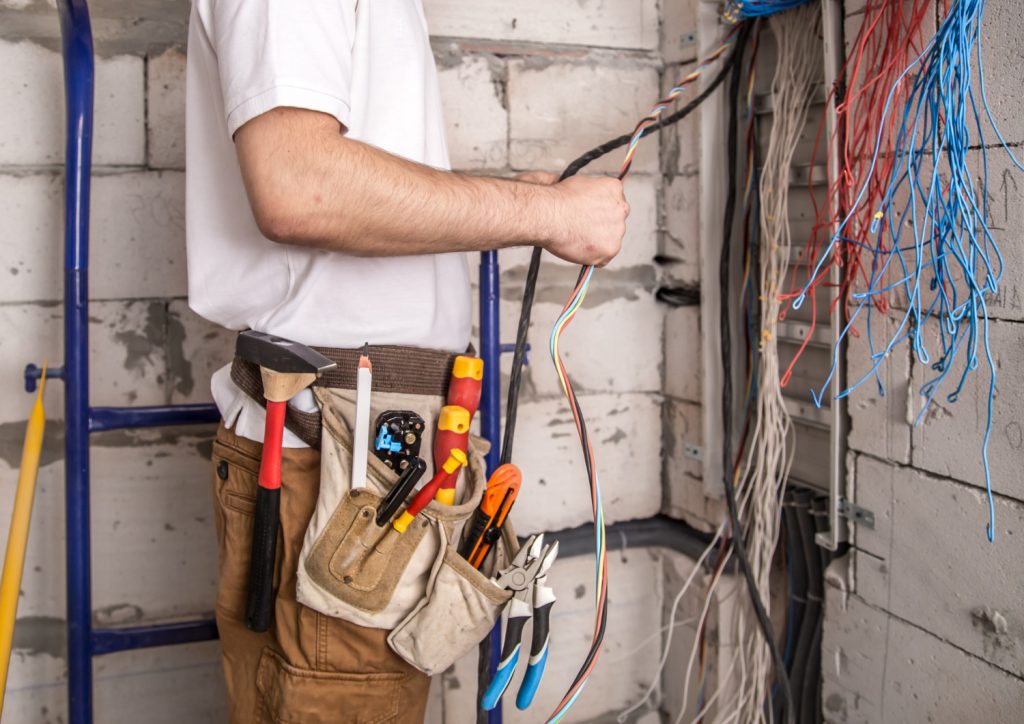
 Once an electrician identifies problems, you have options depending on severity. Sometimes fixes are simple: an outlet needs grounding, a connection needs tightening, or a circuit needs proper protection. These repairs might cost a few hundred dollars.